News
“Artificial Intelligence and National Technology Reflections” Work Introduced to the Public
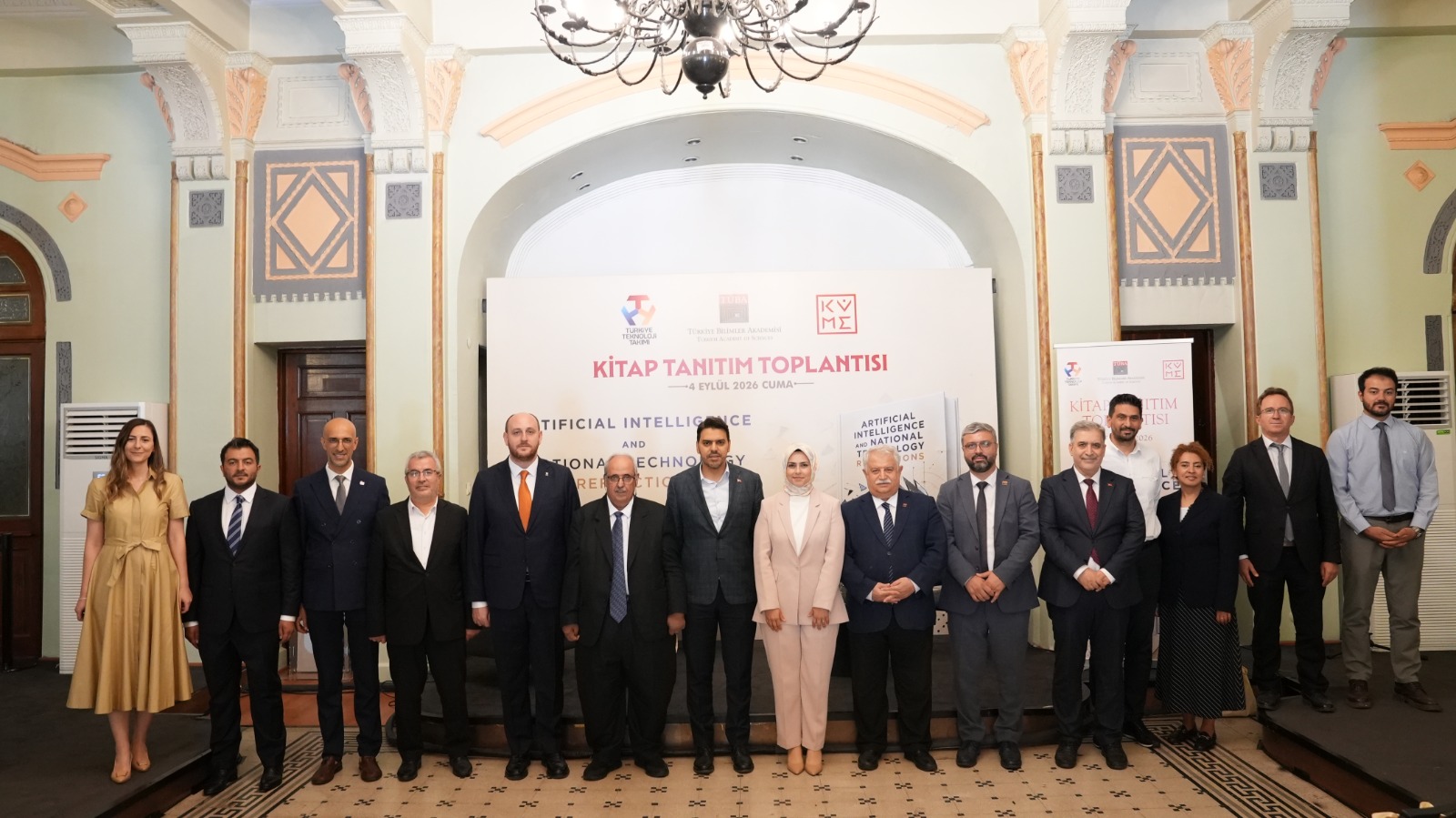
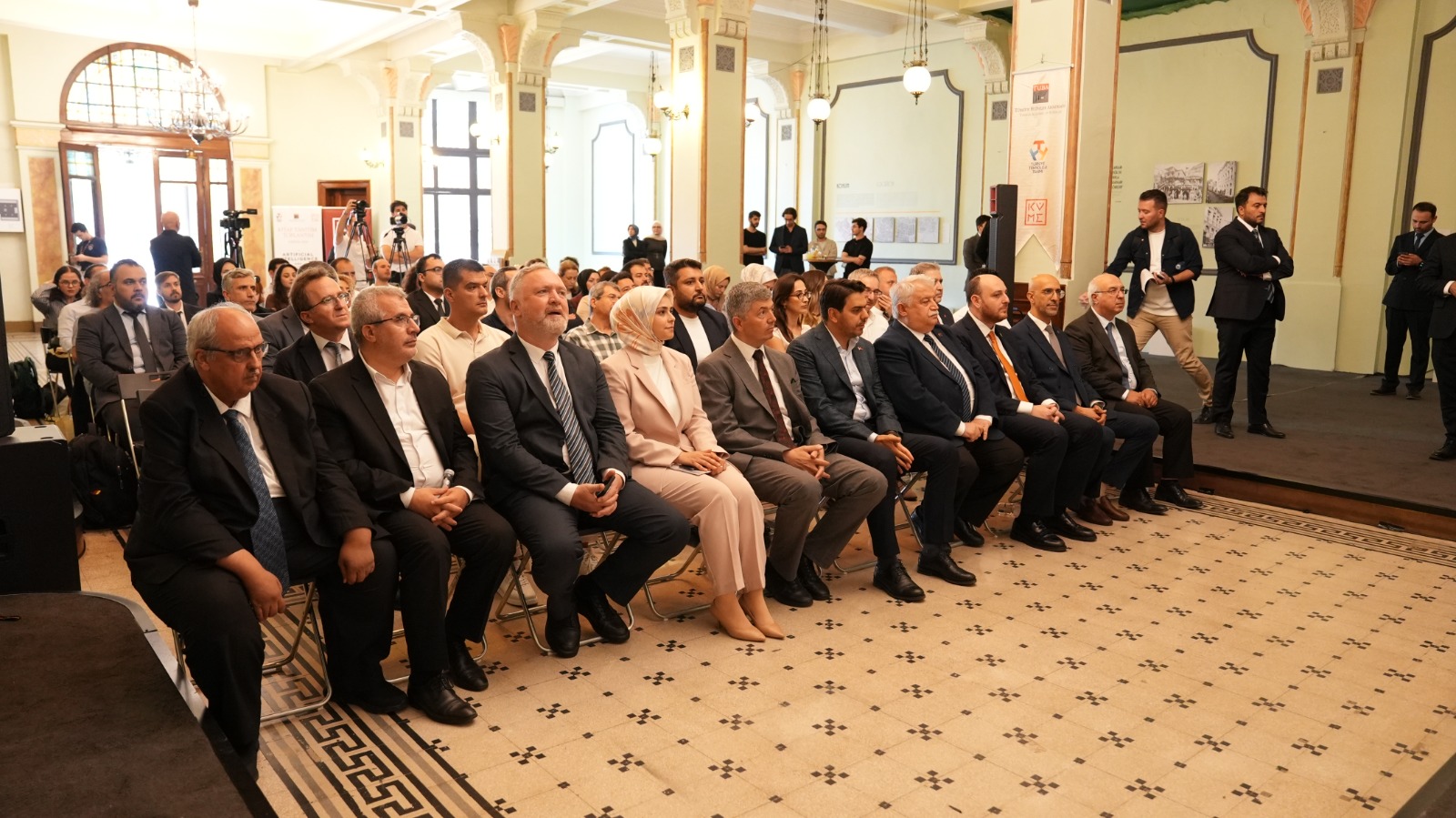
The comprehensive work titled “Artificial Intelligence and National Technology Reflections,” prepared in cooperation with the T3 Foundation, the Turkish Academy of Sciences (TÜBA), and the KÜME Foundation, with contributions from 38 expert scientists, researchers, and specialists in their fields, was introduced to the public through a program held on Friday, September 4, at Istanbul Karaköy Palas. Addressing the present and future of artificial intelligence in a multidimensional manner through the perspective of national technology, the work offers a broad framework extending from technological developments to societal transformation, and from strategic approaches to future projections.
Addressing the transformative impact of artificial intelligence on science, technology, the economy, education, public administration, and social life through global, national, and future-oriented perspectives, the work aims to be a comprehensive reference source in its field. Consisting of three main sections and a total of 25 chapters, 38 scientists, researchers, and experts contributed to the book.
Numerous topics are comprehensively evaluated in the work, ranging from the evolution of artificial intelligence from traditional systems to superintelligence, to big data, processors, and large language models; and from the geopolitics of artificial intelligence to international cooperation and innovation networks. In addition, the impacts of artificial intelligence on sustainability, labor markets, communication technologies, and education systems are also addressed on a global scale.
Focusing on Turkiye’s artificial intelligence vision
One of the significant titles of the work consists of Turkiye’s current capacity and strategic goals in the field of artificial intelligence. In the book, which also addresses the works carried out in line with Turkiye’s National Technology Initiative, projects of the T3 Foundation such as T3AI, TEKNOFEST, and T3 Gemstone are featured. Turkiye’s National Artificial Intelligence Strategy, the integration of artificial intelligence with the National Technology Initiative, and the present and future of regulations in the field of artificial intelligence in Turkiye are also among the topics evaluated in the work.
In the study, where artificial intelligence is addressed not merely as a technological advancement, but as one of the essential elements of societal and cultural transformation; subjects such as the meaning of technology as a cultural form, AI governance, transformation of societies, Artificial General Intelligence (AGI), quantum technologies, human-AI collaboration, and the future of working life are also examined. With this scope, the work presents a comprehensive perspective in the field by providing a broad framework from the technological development of AI to its societal impacts, and from Turkiye’s strategic approach to the future of working life.
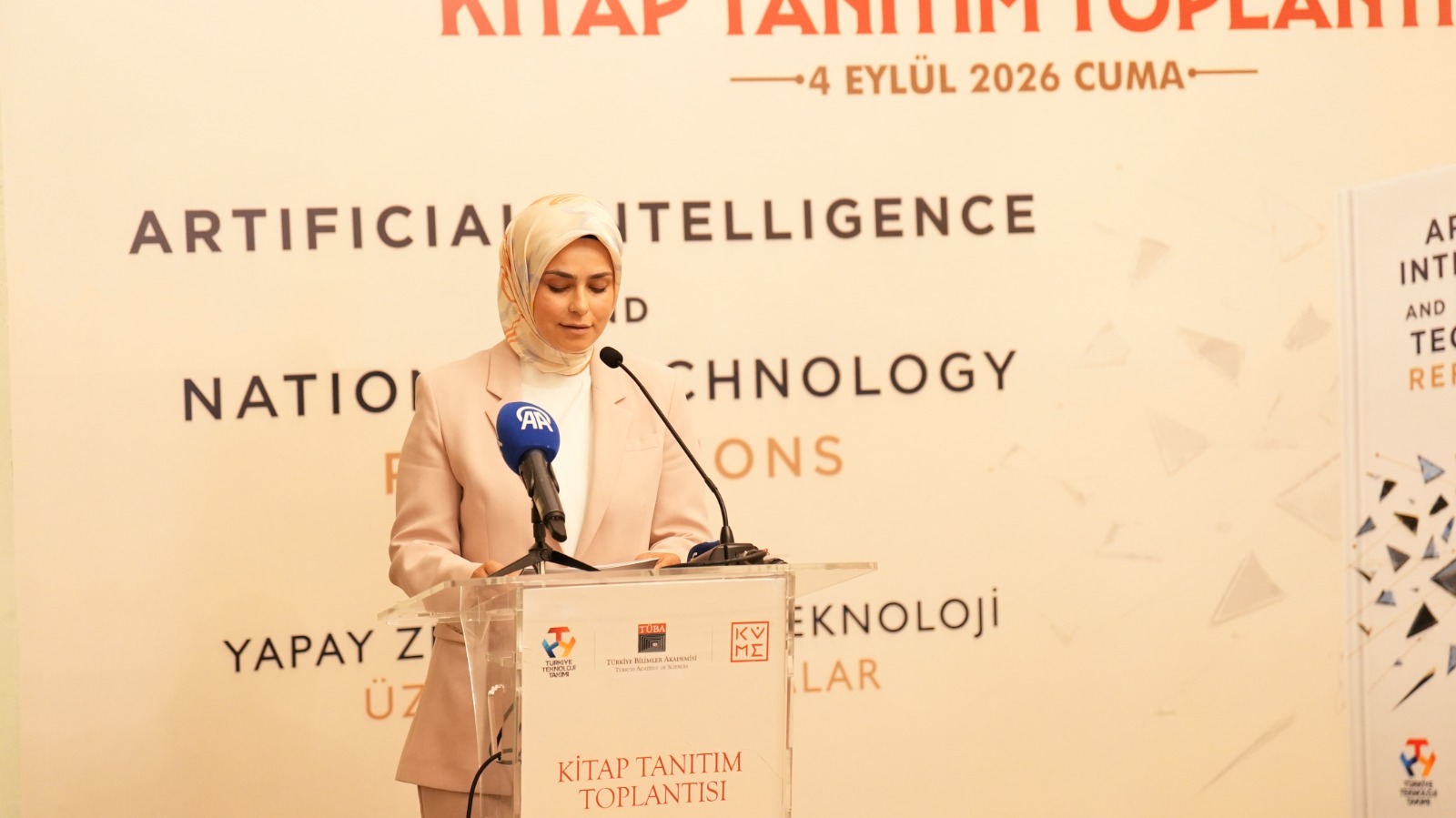
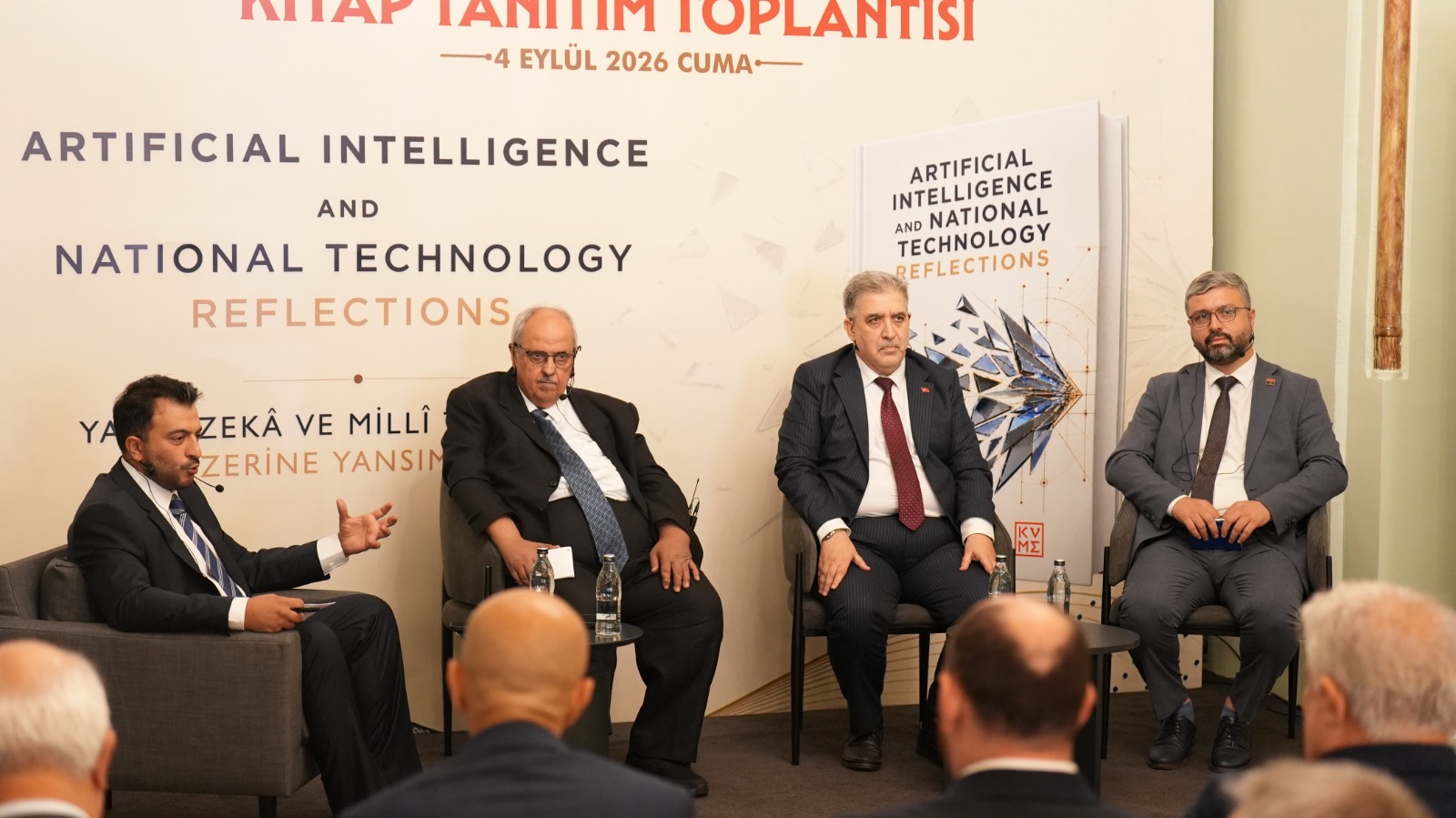
The book launch meeting held at Karaköy Palas began with opening speeches by Dr. Elvan Kuzucu Hıdır, Chairperson of the T3 Foundation Board of Directors; Abdullah Eren, Chairman of the KÜME Foundation Board of Directors; and Prof. Dr. Muzaffer Şeker, President of TÜBA (Turkish Academy of Sciences). In the panel section of the program, moderated by Dr. Ozan Ahmet Çetin, Prof. Dr. Ercan Öztemel, Prof. Dr. Zafer Evis, and Dr. Abdulkadir Taşdelen shared evaluations on the axis of artificial intelligence and national technology.
“We continue to announce our philosophy of technology for the benefit of humanity to the whole world and share our good examples”
Speaking at the opening, Dr. Elvan Kuzucu Hıdır stated: “Artificial intelligence is no longer just a technical field; it is part of a paradigm shift that also affects our language, education, working styles, and the relationship we establish with knowledge. This work of ours also attempts to look at this transformation through different windows, ranging from global developments to Turkiye’s capacity, from education to working life, and from governance to ethics.
Who will be responsible when an AI system makes a mistake, how to ensure the fairness of decisions made by algorithms, how our children will preserve their thinking and production skills while using these tools, or what kind of place Turkish will hold in the digital world of the future are merely a few of the important questions standing before us.
It is not possible to fully foresee today where artificial intelligence will take us. However, it is possible not to remain outside of this transformation; to continue learning, producing, and thinking together. Rather than giving definitive answers, I hope this work will contribute to new questions, new studies, and collaborations to be established among different disciplines. We hope to continue announcing our philosophy and practices of ‘technology for the benefit of humanity’ to the whole world and to share our good examples by multiplying them. This valuable book, to which I contributed as an author alongside my teammates from the T3 Foundation, will be published by Springer Publishing within this year.”
Gallery